Research and Publications. Developing holistic approaches to counselling, coaching and psychotherapy, by researching and writing articles, papers and books for publication. Executive Director: Dr Jim Byrne FISPC
Do you want to feel better tomorrow morning, at no cost?
The amazing power of well-managed sleep to transform your life
~~~
By Renata Taylor-Byrne, Lifestyle Coach-Counsellor
~~~
Introduction
Sleep has a huge impact on your life, in ways you may not even notice!
Let me illustrate that claim for you with a quote from an outstanding sleep scientist:
“You may find it surprising to learn that vehicle accidents caused by drowsy driving exceed those caused by alcohol and drugs combined. Drowsy driving is worse than driving drunk.
“This may seem like a controversial or irresponsible thing to say, and I do not wish to trivialise the lamentable act of drunk driving by any means. Yet my statement is true for the following simple reason: drunk drivers are often late in breaking (applying their brakes!) and late in making evasive manoeuvres.
“But when you fall asleep, or have a microsleep (which means momentary unconsciousness), you stop reacting altogether.
“A person who experiences a microsleep, or who has fallen asleep at the wheel. does not brake at all, nor do they make any attempt to avoid an accident”.
(Matthew Walker, Why We Sleep, 2017) [2]
~~~
Matthew Walker is an expert in sleep science and has strong opinions about the necessity for sufficient sleep before people set out driving. His reason is the insight that many people sometimes fall asleep for a couple of moments whilst driving, if they are sleep deprived. These are called ‘micro-sleeps’.
If you are a driver: Have you ever been aware of having a micro-sleep whilst driving – that means a split-second break in concentration (because you are unconscious!)? If so, you may recall that this happened because you were tired and your eyelids closed or half-shut for a few seconds.
What are the known, measured implications of these kinds of micro-sleeps?
Walker gives the example of micro-sleeping while driving at 30 miles an hour:
This is the bottom line:
“A two second microsleep at 30 mph with a modest angle of drift can result in your vehicle transitioning entirely from one lane to the next. This includes into oncoming traffic. Should you do it at 60 mph, it may be the last microsleep you ever have”. (Page 134)
Were you taught the importance of getting enough sleep when you were a child; at home or in school? Maybe teachers can’t cover everything, but what about doctors? Have you ever been coached by your GP regarding the importance of sleep, and how it might be affecting your physical health or emotional well-being?
Dr Chris Winter (2017)[1] writes about one researcher, Raymond Rosen, who discovered that, in the four years of medical training given to trainee doctors (in America), most of them had received less than 2 hours of training in sleep science.
It seems there is a woeful lack of information available to the general public about the importance of sleep. It was not until 2000 that a major book on sleep science was published, and became somewhat popular (with the Book of the Month Club), thus making detailed knowledge from the basic science of sleep relatively widely available, perhaps for the first time. (There have been earlier books on sleep science, but not so widely available).
This allowed readers to become aware of what happens to their bodies and minds if they don’t get enough sleep.
We now know, as a matter of scientific fact, that insufficient sleep can cause a range of physical and mental health problems; not the least of which is that it reduces your emotional intelligence, which seriously impacts your relationships and life chances. (And there is a definite link to dementia!)
If you know you have problems getting to sleep, or staying asleep; or getting the kind of sleep which restores you, so you awake feeling refreshed, then this book is for you.
If you want to improve your sleep quantity and quality, you need to be able to stick to your commitment to change your sleep habits, and assertively alter them in the face of possible pressure from others.
As Dr Phil says, “This is when the rubber hits the road”. And so I have included a chapter on changing your sleep habits; as well as a chapter on how to cure insomnia!
Also, by way of a summary, there are eight key learning points about the ways in which lack of sleep can harm you, and the six crucial ways to protect your sleep are described.
Here is what the book gives you: In summarized form, the most recent research findings about the crucial need for sleep, with full explanations of how to restore your sleep so that you get maximum nourishment and rest!
The main sleep destroyers are described and ways of protecting your sleep are examined.
If you follow the strategies in this book you will, firstly, experience deeper, more therapeutic sleep; and will be able to face the world with resilience and vitality each day.
Secondly, your knowledge of the fundamental importance of protecting your sleep will make you strong in the face of pressure, from outside forces, to neglect it.
Thirdly your health will improve, and your immune system will be strengthened.
If you are a parent: You also need to think about your children’s sleep, because there is overwhelming evidence that lack of sleep, and anxiety and depression, in children, go hand in hand. Lack of sleep also affects their memory, blood sugar balance, likelihood of obesity, the functioning of their immune system, emotional intelligence, etc.
You are the major role model for your children, including your approach to sleep. Do you remember how much your parents influenced you? That’s the advantage that you have with your children – you are there every day of the week. And they will copy exactly what you do in relation to sleep.
In my book I explain the sleep needs of children and teenagers, which are not widely understood. If you want to be able to support your children in getting the right amount of sleep, then you need to know the facts.
Can counsellors become truly holistic – truly polymathic – or are they permanently stuck in the ruts created by Sigmund Freud and Carl Rogers?
~~~
Introduction
In 1959, Charles Percy Snow declared that there was a serious gulf of incomprehension between scientists and humanists; and this has only got worse over the years. On January 11th, 2020, writing in The Lancet– Correspondence section – Michael Araki declared that, “We have been in the age of the two cultures for too long – the losses, as Snow foreshadowed 60 years ago, are taking their toll. To face today’s daunting problems, our institutions must go beyond their old, crippling strategies, and design novel structures that leverage the power of polymathy. By allowing polymathic thinking to flourish, society will be in a much better position to reach the innovation required to tackle our most pressing challenges”. (Page 114).
And the problems that I am most concerned with have to do with the fact that, while economic policy and environmental stresses and strains (as well as lifestyle factors) affect mental health, happiness and emotional well-being, most counsellors and psychotherapists are still ignoring those aspects of their client’s situation; and focussing on such narrow issues as: “What are you telling yourself?” and “How did your mother treat you?” – to the exclusion of diet, exercise, sleep, relaxation, housing conditions, economic circumstances, current relationships, personality adaptations, and a whole host of stressors coming from growing inequality and insecurity of employment.
Some of those factors are beyond the control of the counsellor and the client; but the lifestyle factors can, to at least some extent, be brought under the control of the client, if the counsellor would only address their importance.
~~~
Adding back the body to the disembodied mind
As early as 1948, Merleau-Ponty was drawing attention to the disastrous way in which the followers of Descartes (rather than Descartes himself) had misled us into dumping the body, and focusing exclusively on the mind (as if it was not a function of a body-brain, linked to an inescapable space-time environment).
This is what he wrote on that subject:
“We are once more learning to see the world around us, the same world which had turned away from in the conviction that our senses had nothing worthwhile to tell us, sure as we were that only strictly objective knowledge was worth holding onto. We are rediscovering our interest in the space in which we are situated. Though we see it only from a limited perspective – our perspective – this space is nevertheless where we reside and we relate to it through our bodies”. (Page 53, The World of Perception, Maurice Merleau-Ponty, 1948; republished in London in 2008 by Routledge.
But there is very little evidence today that most counsellors and therapists have discovered “an interest in the space in which we are situated”. (Gestalt therapists are the obvious exception!)
The frequently overlooked fact is this: We relate to the world in which we live, through our bodies; or, as we say in E-CENT; we relate to our social and physical environment through our body-brain-mind (as sustained or undermined by our diet, exercise, sleep, self-talk, relaxation, and our historic and current relationships; the state of the economy and society in which we live; and so on).
~~~
Emotions are embodied realities, with positive functions
We have, yesterday, released our latest book, which is built upon our comprehensive, polymathic approach to human biology and culture. The subject is how to control your anxiety; but it is a far cry from the trite ‘ABC’s of anxiety’ promoted by the CBT/REBT community. Here is how we announced it:
Foreword
By Dr Jim Byrne
Preamble
Many people live lives which are tied up in knots of worry, anxiety, fear, apprehension and dread. They can hardly remember what it was like to feel relaxed, happy and at ease. This book will teach you how to cut through these kinds of emotional knots, from various angles, one at a time, to produce a state of greatly improved relaxation and ease.
This book will show you how to tackle one thing at a time; one aspect of your anxiety problem(s) at a time; so you do not become overloaded or overwhelmed.
~~~
We have all heard of a ‘Gordian knot’, which is a very difficult or intractable problem. Many of our problems consist of getting ourselves tied up in knots, trying to avoid the unavoidable difficulties of life. We also tend to tie ourselves in knots trying to avoid the necessity to take responsibility for our own lives. And we weave some knotty, tangled webs when we fail to be scrupulously honest with ourselves. (But, of course, our early childhood, which is normally something of a nightmare, tends to throw us into a tangle of knots, which are not of our own making!)
And all of this tangling and knotting goes on as we sleepwalk through our lives. The important thing is to wake up, and to address the knots in our emotions, and to begin to untangle them, one by one.
Most people would agree that anxiety is a state of feeling fear, fright, alarm, or intense worry[1]. It is an intense emotion, which pains us in a way which is comparable to a physical pain. It is not easy to ignore or brush off. It can tighten our breathing, and make us tremble and become clammy. We often feel we are out of control, and in great danger.
Get your paperback copy today, from one of the following Amazon outlets:
Anxiety is not a disease; not a mental illness. Anxiety – at its best – is part of our normal, innate, mental signalling system which tells us what is happening to us, and what to do about it. That is to say, it is part of our emotional wiring. Our emotional intelligence. (For an official definition of anxiety, please see this endnote)[2]. But – at its worst – anxiety, in the body-brain-mind of an individual human being, often proves to be a complex knot of non-conscious self-mismanagement!
Trying to get rid of anxiety with drugs is like hanging two overcoats and a duvet over your burglar alarm bell when it goes off. The burglar alarm is designed to give you helpful information, which you can then use to guide your action. Should you check to see if a burglar has got into your house? Or call the police? Or realize that you’ve mismanaged your alarm system, producing a false alarm, and that you should therefore switch it off?
Getting rid of the alarm signal, by dampening it down, defeats the whole object of having it in the first place!
Once you understand anxiety correctly, it becomes as useful as a burglar alarm; and you can learn how to manage it correctly. (It’s just the exaggerated knotting of strands of anxiety, worry and stress that you need to cut through!)
When you buy a burglar alarm, it comes with a little Instruction Book about how to set it; calibrate it; monitor it; reset it; and switch it on and off.
You should have got just such an Instruction Book about your anxiety alarm, from your parents, when you were very young – and some people did. But if your alarm goes off at all times of day and night, in unhelpful ways, then I guess you were one of the unlucky ones who did not get your Instruction Book. This current book contains your Instruction Book, plus lots of other backup information, which will help to make you the master of your anxiety, instead of its quaking slave.
Don’t let your burglar alarm make your life a misery. Learn how to use it properly! (Learn how to cut the inappropriatelyalarming connections that do not serve you well).
Renata’s Coaching/Counselling blog: Several fascinating research findings about the benefits of ‘Forest bathing’ or ‘Shinrin Yoku’
Introduction:
My job as a coach/counsellor is to help my clients become strong, confident and healthy. And if I find information that will help people achieve those goals, then it’s my job to spread the good news.
So in this blog I am going to show you the research evidence that walking amongst trees, simple as it may seem, can do amazingly beneficial things for our bodies without us realising it.
What is ‘Forest bathing’ or ‘Shinrin Yoku’?
The name ‘Shinrin Yoku’ was created by the Japanese ministry of Agriculture, Forestry and Fisheries in 1982, and what it means is: ‘Making contact with, and taking in the atmosphere of the forest’ (not actually bathing). There are now a few dozen forest therapy centres in Japan, as the process has been scientifically investigated and the research findings demonstrate the benefits of walking in the forests. These ‘forest bathing’ activities have been shown to be very beneficial for the body.
Yoshifumi Miyazaki, one of the main researchers in this field, has been researching the effects of nature on our bodies for over 30 years, and he mentions in his TED talk on ‘Nature therapy,’ a highly significant fact:
He mentioned that we as human beings (homo sapiens) have lived on earth for 5 million years, and for 99.9999% of that time, we lived in the forests. Then urbanisation took place, with the industrial revolution, but this period of time has only been 0.0001% of that 5 million years!
So because we are living in an artificial, man-made (or human-made) environment we’re always in a state of stress, and to strengthen ourselves against that stress, if we return to nature and walk in the forests, then we will benefit a great deal from that. We will, he maintains, strengthen our immune system.
Here are some of the research results:
The forest environments reduce the level of the stress hormone, cortisol, in the bloodstream. Research conducted in 2005-2006 produced evidence that it reduced cortisol concentration by 13.4% after simply looking at the forest for 20 minutes, and it had decreased by 15.8% after walking in the forest.
People’s pulse rates dropped: In the 2008 research, the average pulse rate dropped by 6.0% after viewing the forest, and a further 3.9% decrease after walking there.
But the highest change was in the activity of the parasympathetic nervous system (the ‘rest and digest’ [or relaxation response] part of the nervous system, which switches on to help our bodies recover from the effects of stress).
Researchers know that this is connected to our heart rate variability, and this activity increases when we feel relaxed.
So when the research participants simply viewed the forest settings, there was an enhancement of the parasympathetic nervous system’s activity by 56.1%.
But after the research participants had walked in the forest, there was an enhancement of the parasympathetic nervous system activity – an increase of 103%!
Why did these bodily changes take place in the research participants? Dr. Miyazaki discovered that one of the reasons for these changes is that the pine trees in the forests release a substance called ‘phytoncide’. This is the substance emitted by pine trees to kill insects and stop wood rot, and this substance has a beneficial effect on people as they walk through the forests. He has done a lot of interesting research with different wood scents, and shown how they have a positive effect on the body.
So when you’re out walking in the trees, you are really helping your body recover from the strains of working and driving in an urban environment, and regular walking in a natural, tree-rich setting will strengthen your immune system.
He also mentions in his talk the effects of looking at flowers on humans, and he hands out red roses during his presentation – a lovely gesture to put across his ideas.
I hope you experiment with this idea of walking in the woods or forest. Happy walking – and finally I’d like to recommend Hardcastle Crags in Hebden Bridge as a great place to walk!
Blog Post: 16th November 2019 – Updated on 3rd December 2023
The Bamboo Paradox: Flexible body, resilient mind and wisdom in action
By Dr Jim Byrne
~~~
What is the most important skill for a human?
To be flexible like a bamboo?
To be flexible and agile like a leopard?
To be flexible and informed, like a well-educated individual – where “educated” means “worldly-wise”; and “flexible” means having an “open mindset”.
To be flexible and strong, like a Zen Monk who has the strength and agility of a wily leopard?
Hello, Long time, no post. I spend so much of my time seeing counselling clients, and researching, writing, editing and publishing books that it’s very difficult to find the time to post blogs. And this blog is about one of my books, …. This is how the Preface begins:
At the age of thirty-four years, I woke up. Woke up for the first time. Became conscious of the fact that I was living a life that did not really work for me – which had never really worked in a fully satisfactory way. At that point, I began to seek wisdom – to examine my life – and to explore better ways of living a fuller, more satisfying life.
In this book, I want to share some of the fruits of my journey towards wisdom, happiness and health.
This is a book about how to take care of yourself in a difficult world; so you can be happy and healthy, successful and wealthy. Your physical height, weight, muscle bulk and so on, are not the most important determinants of your ability to be strong in the face of life’s difficult challenges. (Although your bodily health and flexibility are very important!)
In many ways, your ephemeral mind – supported by a well-rested and nourished body – is the best measure of your potential for resilient coping with stressful challenges. For example, the humble bamboo is often the thinnest plant in the forest or jungle when a tropical storm hits; but it is often the only plant left standing when the storm is over.
If you develop some bamboo-like flexibility, you can become as strong and resilient as you need to be, even if you are thin and light and less tall than the average person. (But if you overly rely upon flexibility, in a passvie, conforming manner, you may get blown away into ill health and great misfurtune!)
This is how the qualities of bamboo are conceptualized by one business-person:
“Bamboo is flexible, bending with the wind but never breaking, capable of adapting to any circumstance. It suggests resilience, meaning that even in the most difficult times… your ability to thrive depends, in the end, on your attitude to your life circumstances. Take putting forth energy when it is needed, yet always staying calm inwardly”. (Ping Fu: ‘Bend, Not Break: A life in two worlds’).
Like a bamboo, you can learn to bend in strong winds of change or challenge; and to sway in the frequent breezes of trial and tribulation. (But that will not be enough for you to optimize your surviving and thriving potential!) You can develop a solid foundation, but one which allows you to stay flexible, and to respond to the forces that assail you with a judo-like yielding and returning. (But, unlike the bamboo, the Judoka uses strength and well as flexibility; speed of mental processing – which has no bamboo equivalent; and skilful mind-body coordination!) Bend in harmony with the forces around you, without resisting rigidly, and thus avoid being broken. Go with the flow, when the flow is irresistible; but swim against the tide if you need to, when the tide is not too powerful. Eventually, the forces around you may grow tired, and you will be fresh and ready to move forward, when resistance is at its lowest. (But remember: Running away, or fighting back are important options for a human being. Also, a bamboo has no such thing as “personal boundaries”, but each human needs to have strong personal boundaries, and to defend them again those who would take advantage of them, abuse them, use them, or otherwise harm them!)
“Notice that the stiffest tree is most easily cracked, while the bamboo … survives by bending with the wind”. (Bruce Lee).
But where is Bruce Lee today? He died young! Write that down!
To be like a human-bamboo, you must not just be well informed about how to use your mind – like an ancient philosopher – but also you must be well fed, well rested, happily related to at least one significant other person; and rooted in some kind of family, social group and/or community. You need to be involved and rooted in your home community, but free to take whatever individual action you need to take, so long as it is moral and legal.
And I like to use the metaphor of “being like a wily leopard”; because that is often what is needed if you are going to defend yourself in an increasingly amoral and immoral world!
~~~
And this:
“The human capacity for burden is like bamboo”- according to Jodi Picoult, an American author of fiction – “far more flexible than you’d ever believe at first glance”.
If you want to live like a “beast of burden”, then follow Jodi Picoult’s advice!
~~~
Of course there are flaws in each of those quotes above – limitations and exaggerations – which eventually lead us into paradox, or self-contradicting beliefs and actions, which I will explore later. But the point is to celebrate the near perfect combination of strength and flexibility to be found in bamboo, and to try toemulate that strength and flexibility in our own difficult lives – when appropriate – as individual human beings.
~~~
The first major limitation of comparing ourselves with bamboo is this: In western science, the world is divided into three major classes:…
Growing and changing as a counsellor/ psychotherapist
An amazing journey
By Dr Jim Byrne
~~~
Introduction
In this blog I want to write about the ways in which counselling practice may evolve, in the hands of a counsellor who has learning as their top value in action, as I have. In the process I will reflect briefly on my journey through Rational Emotive Behaviour Therapy (REBT). I will also look at the kind of body-mind-environment approach to counselling that came out of my progression. And I will look at the impact of diet, exercise and sleep on emotional well-being and mental health.
It seems to me that a counsellor could spend their whole career doing pretty much the same thing, in slightly different ways, with a host of clients. Or they could change and grow on an almost daily basis, ass a result of feedback from their clients; from reading; from detective-ing; and from reflecting on their practice.
My journey began like the former, static model; and then broke apart under several pressures and stresses, into a dynamic journey of innovation and growth.
The change-inducing factors
I began to study Rational therapy (REBT) in 1992, during a career crisis; kept up that study; and then set up in private practice as an REBT coach/counsellors, in November 1998. At that time I was convinced that REBT was a complete system of therapy, which lacked nothing, and had superseded all other systems of counselling and therapy. (How deluded we can be, even after studying for a Master’s degree!)
But cracks began to appear almost at once. One of my first three clients could not abide the Disputing process of REBT; and so I always used Gestalt therapy combined with Transactional Analysis (TA) with him. Another was mainly in need of help with his relationship with his wife – and so I mainly used ideas from Werner Erhard’s Relationship’s Course, and ideas from Dr John Gottman’s system. And another was mainly interested in business coaching.
However, from time to time, I had a pure REBT client, who I treated to a relatively pure REBT approach. But not often.
Then, in 2001, I began to study (post-masters) a diploma in counselling, psychology and psychotherapy, involving 13 different systems of counselling and therapy, including Freud and Jung; Rogers and Perls; the existentialists and the behaviourists; the cognitivists and Multimodal therapy; and many more besides.
Many of the fascinating ideas from those systems of therapy crept into my daily counselling practice; diluting my REBT commitment enormously.
But it was not any of this that caused me to begin to move dramatically away from REBT. No. It was the fact that I often had clients who seemed to be very depressed, or very anxious, but who could not come up with any real or symbolic losses, failures, threats or dangers, to account for their psychological symptoms. But they had one thing in common; a swollen belly; red eyes and white tongues; or a tendency to scratch at their crotches. They each had a problem of gut disbiosis, called Candidiasis, or systemic overgrowth of Candida Albicans in their large intestine. I recognized these symptoms, because I had wrestled with this condition myself, for a couple of decades by that time. So I helped them to address their problems with Candida, and their depression and/or anxiety cleared up. (Recent research suggests that Candida Albicans [and gluten; and stress] can cause a condition called ‘leaky gut’, which allows who molecules of food, or toxic wastes, to pass through the gut wall, and into the bloodstream. This also causes [or co-occurs with] ‘leaky brain’, whereby the blood-brain barrier becomes porous, allowing toxins into the brain, and affecting mood and emotions!)
The body-mind connection
The human body and mind have always been connected; and understood by some like this: The mind is a function of the body-brain, shaped by cumulative-interpretive social experience. But it is, of course, also influenced by whatever affects the bodily component: like diet, exercise, sleep, physical illness, etc.
I began to get clients who were stressed, and some of their stress was coming from the actual pressures in their lives. But some was also coming from their diets. So I developed a stress and anxiety diet; taught it to some clients; and their stress symptoms cleared up.
Of course, at the same time, I was also attempting various elements of talk therapy; but paying increasing attention to the need to check out the client’s diet; the state of their guts; their use of alcohol and recreational drugs; and so on. This took me a little beyond the insights of Arnie Lazarus, the creator of Multimodal Therapy, who, strangely – whilst spotting the importance of drugs/biology – overlooked the role of diet and exercise in emotional functioning.
Beyond REBT
Eventually, all of my accumulated learning became combined with a disillusionment with REBT, especially after 2005-2007, when the Albert Ellis Institute melted into infighting between two factions, the larger of which (rationally/irrationally???) ousted Albert Ellis.
And then I began to reflect more critically on the underlying theory of REBT, and it fell apart in my hands.
I then began to write papers on various aspects of counselling and therapy, which built up into the theory of Emotive-Cognitive Embodied Narrative Therapy.
This book contained two appendices by my wife and professional partner, Renata Taylor-Byrne, and we came to realize that those two pieces of desktop research should not be hidden away in the back of a book; but deserved to be published in their own right.
So we rewrote those two documents, and they became Parts 1 and 2 of a new book.
Part 1 is titled, Diet, nutrition and the implications for anger, anxiety and depression management.
Part 2 is titled, Physical exercise and common emotional problems.
Those two parts help the reader to know how to use diet and exercise to tackle their own anger, anxiety and/or depression; or to help others to do so.
Part 3 is Dr Jim’s Stress and Anxiety Diet, which consists of fifteen pages of advice on specific foods and drinks to avoid, or to consume.
Part 4 looks at the scientific research which looked at the links between nutritional deficiencies and emotional disorders.
Part 5 consists of fifteen pages on how to change any dietary or exercise habit.
The next move was to try to figure out how to help counsellors who wanted to move in the direction of adding back the body to their counselling clients’ minds.
We already had a lot of material on diet and exercise; and so Renata began to research sleep science, books and papers. And we generated a preliminary book chapter on sleep in relation to emotional stability from that work.
We also had a lot of material on the various historical approaches to understanding the human mind and emotions. So we began to collate the materials which might make a compatible range of book chapters. We included or approach to re-framing problems, derived from moderate Buddhism and moderate Stoicism; but excluding all extreme elements. We then compiled a chapter on the use of the E-CENT models for a counselling session, shaped by the Jungian standard structure. And then, in Chapter 9, we presented a set of guidelines on how to incorporate lifestyle and health coaching into any system of talk therapy. The resulting book was titled Lifestyle Counselling and Coaching for the Whole Person: Or how to integrate nutritional insights, exercise and sleep coaching into talk therapy.***
~~~
The emergence of the Sleep Book
By this stage, Renata was so engrossed in sleep science research that she could not stop.
She spent at least eighteen months, and probably more, reviewing 108 books and articles, and wrestling with the material to shape it into an elegant and useful resource for self-help enthusiasts with sleep problems; and also for counsellors and therapists who get a lot of clients with sleep problems, like insomnia.
This is how the preface of her book begins:
“Arianna Huffington had lost her understanding of the need for sleep when, in 2017, she fainted with physical exhaustion at work, causing her head to crash down on her desk as she was working. She broke her cheekbone, had to have stiches in her right eye, and it was a massive shock to her.
“A taxi driver who was suffering from a serious sleep disorder, and who was seriously sleep deprived, nearly caused the death of William Dement, one of the pioneers in sleep medicine. The driver had undiagnosed sleep apnoea (see later, or see the Glossary for definition), and had micro-sleeps (or moments of unconsciousness) as a result, when he was driving. He fell asleep at the wheel of the taxi, and Dement managed to grab the wheel of the car, as it careered into the opposite lane of the motorway.
“When Dement (2000) questioned the driver afterwards, the driver said he’d been to several doctors without any cure being offered for his sleep apnoea, high blood pressure, snoring and constant fatigue.
“’If my driver had crashed into the Columbia River gorge, the accident would have been blamed on brake failure or some other nonsense. That my death was sleep related, let alone that it was caused by obstructive sleep apnoea, would never be known.”
“With the evidence from sleep scientists becoming increasingly available to the public, we now have a chance to see how lack of sleep ravages the body, and compromises the mind, in so many different ways. One good example is this research result: When research participants had their sleep restricted to four to five hours, for just one night, the natural killer cells in their immune system were reduced by 70%!
“And there is a lot of research to show that lack of sleep makes us angrier, less happy, and prone to serious physical and mental diseases.
“People who are deprived of sleep have been shown, in laboratory experiments, to be unable to accurately assess the emotional messages on photographs of people’s faces, ranging from happy to angry. This is because sleep-deprivation reduces our emotional intelligence. This has implications for many people working in the emergency and security services, where highly skilled assessment of human behaviour is needed, and people can be working without sufficient sleep to meet the demands of the job.
“But we live in a culture which is increasingly denying the importance of sleep. In the past Margaret Thatcher, Ronald Reagan and now Donald Trump, have denied the importance of sleep. Thatcher and Reagan paid a very high price for their denial of this physical necessity in the form of developing Alzheimer’s disease. Trump may well do too, unless he changes his lifestyle very quickly.”
Clearly, sleep science, and how it relates to mental health issues, and emotional well-being, is a subject that every counsellor and psychotherapist, psychologist and social worker should be interested in reading about, for the sake of their clients.
~~~
That’s all for now. I hope you found this information helpful.
Dr Jim’s Blog: Mental health is not just about childhood experiences;
Or about current stressors; or badly managed thoughts…
Mental health is related to diet and nutrition, inner dialogue, physical exercise, re-framing of experience, and sleep science…
Introduction
In science as well as popular culture, the body and mind have long been pulled apart, and treated as separate entities. And when they are treated as being connected – as in the modern psychiatric theory of ‘brain chemistry imbalances’ causing negative moods and emotions, the ‘brain chemistry’ in question is taken to be unrelated to how you use your body; what you eat; how well you sleep. It is assumed to be ‘special brain chemistry’ – separate and apart from Lifestyle Factors – which can only be fixed by consuming dangerous drugs!
If you are interested in the impact of lifestyle practices on mental health and emotional states, then you will enjoy our page of information about how all of the ideas above are presented in our book about Lifestyle Counselling. We see this as the core of most holistic healing practices of the future.
The way ahead
In the immediate future, lifestyle counselling practice will be a novel service offering for counselling and psychotherapy clients who have realized that:
# the body and mind are intimately connected;
# that the body-mind is an open system, permeated by a whole range of lifestyle factors which can be managed well, or mismanaged,
# which results in excellent or poor mental health, physical health, and personal happiness.
In the pages of our popular book on lifestyle counselling, we have presented:
– a summary of our previous book about the impact of diet and exercise on mental health and emotional well-being;
– a chapter which integrates psychological theories of emotion with physical sources of distress – for the emotions of anger, anxiety and depression – and recommends treatment strategies;
– a chapter on the negative effects of sleep insufficiency on our thinking, feeling and behaviour;
– a chapter on how to re-frame any problem, using our Six Windows Model (which includes some perspectives from moderate Buddhism and moderate Stoicism) – but excludes the extreme forms of those philosophies of life!);
a chapter on how to divine and assess the counselling client’s multiple sources of emotional disturbance, using our Holistic-SOR Model;
– and a chapter on how to set about teaching lifestyle change to counselling and therapy clients.
Dr Jim’s Counselling Blog: A counsellor blogs about three processes commonly found in E-CENT counselling…
Introduction
Counselling and therapy, with a good therapist, offers a wonderful chance to have a better, happier, more meaningful life. But people pass by this opportunity all too easily, on the way to the pub; the cake shop; the sweet shop; or one thousand and one other distractions and diversions.
I have often discussed with Renata (my wife and porfessional service partner) the barriers that people put in the way of doing their therapy – of cleaning up their childhood history – and of learning to relate in the present moment in a loving and enjoyable way. Here is one of the biggest barriers to entering counselling and therapy, as outlined by M. Scott Peck[1]:
“Entering psychotherapy is an act of the greatest courage. The primary reason people do not undergo psychotherapy is not that they lack the money but that they lack the courage. This even includes many (counsellors/ psychotherapists and) psychiatrists themselves, who somehow never quite seem to find it convenient to enter their own therapy…” In general, psychotherapy clients are much stronger and healthier than the average.
My aim in this blog post is to help you to get a flavour of what it would be like to engage in E-CENT counselling, coaching or psychotherapy.
We tailor our guidance, support and teaching to the needs of the individual client.
We do have a range of classic models that we use, and an equally extensive range of guiding principles.
But it often happens that a particular format emerges in our sessions (say, somewhat more than fifty percent of the time); which has the following three major elements:
~~~
~~~
(1) Affirmation of the client’s perceptions and feelings
When a new client arrives with an emotionally disturbing problem, we do not try to talk the client out of their perceptions and feelings. We take it as read that their reactions are proportionate to the problem as they see it. We look at them and their problems with the eyes of emotional empathy and understanding. We engage in non-possessive caring, like many client-centred counsellors do. But we go further in affirming the client as an emotional being. We follow the guidance of Dr Robert Hobson in that we speak to our clients in a ‘feeling language’.
“The language of the world of things is literal and discursive (or cool and logical) whereas person-talk calls for a ‘language of the heart’, which I term feeling-language. In order to ‘disclose’ to someone what I mean … I would have to tell stories … first one story, then another story … until ‘the penny drops’. … (This) calls for a language which is more akin to an art form…: A language not of ‘facts’ but of feeling”.[2]
We seek to re-parent and befriend our clients, in a specific, professional way; again as influenced by Robert Hobson:
“Ian Suttie … regarded psychotherapy as a quest for a ‘companionship’ with the client. He drew attention to the embarrassed ‘taboo on tenderness’ which scares us all, especially ‘scientific’ psychotherapists. There is no more effective barrier to treatment (in counselling and therapy). Tenderness is akin to that of the loving relationship between the child and mother which is formed ‘with the intention of severance’. The therapist needs to be a ‘mother’ (and a ‘father’), but s/he must move towards ‘friendship’, a more equal personal relationship”. (Page 212).
By affirming our clients as they are, we create trust and hope and we often stimulate their capacity to love, which they apply in their relationships back home. This is discussed by Hobson like this:
“The infant has potentialities to develop complex modes of experience and diverse patterns of behaviour. These inborn tendencies need to be activated (made ‘actual’) by people and things in his environment. Of crucial importance is the capacity to form rewarding attachments to particular persons, first to the mother and then to other people. The success of psychotherapy, the well-being of any society, and perhaps the future of mankind, depends upon whether or not, and under what conditions, love can grow”. (Page 151).
As pointed out by Dr David Wallin, if this does not happen in the client’s actual childhood, then they develop insecure attachment style; but their brain-mind remains malleable, and they can get this missing ‘secure base’ in counselling and therapy relationships, during their adult lives:
“Very much as the original attachment relationship(s) (with mother and father) allowed the child to develop, it is ultimately the new relationship of attachment with the (counsellor) that allows the (client) to change. To paraphrase Bowlby (1988), such a relationship provides a secure base that enables the (client) to take the risk of feeling what s/he is not supposed to feel and knowing what s/he is not supposed to know”. (Wallin, page 3)[3].
E-CENT counselling and therapy provide a relationship within which to explore problems of personal relationships. Again, we have been influenced by the views of Robert Hobson:
“Problems in personal relationships cannot be solved by talking about them, by explaining them from outside. They can only be explored and tackled effectively in the experience of being within a relationship”. (Hobson, Page 183).
The counsellor’s role is to provide a ‘secure space’, and also to promote autonomy of the client.
So we work at developing our relationships with our clients; to become a secure base for them; to affirm them; and to help them to develop a secure attachment to us. But at some point, sooner or later, we move on to exploring a range of ways of looking at the client’s problems.
~~~
(2) Exploring a range of different interpretations
Folk-psychology (or ‘common sense’) misleads counselling clients into thinking that ‘what they see is all there is’; and that they have the capacity to see ‘reality’ directly. This is not how philosophers and psychologists understand the world.
I have written about this in the introduction to one of my articles on how to look at any problem from several different perspectives. This is what I wrote: “We do not see with our eyes so much as with our brains. Eyes are part of the machinery of perception, but the decisions (or judgement) about ‘what it is’ that we see are not made by our eyes.
Those decisions are made by our ‘stored experiences’ driving our ‘judgements’. We do not see ‘external events’ so much with our eyes, then, as we see them through ‘frames of reference and interpretation’ which were created in the past, and which we now implement as habit-based stimulus-response pairings. Or we could call these responses ‘pattern matching’ processes. We non-consciously conclude: ‘I’ve seen this stimulus (or ‘external event’) before. This (particular interpretation) is the sense I made of it last time. So that is how I have to relate to it this time’.”[4]
So, when our clients come to see us, we know they will have their own interpretations of their experiences, and some of those interpretations will be unhelpful, and actually emotionally disturbing for them.
E-CENT counselling teaches that there are many helpful perspectives on life, some of which come from Buddhism and some from Stoic philosophy. One of those perspectives was popularized in the 1980s by M. Scott Peck. This is it: “Life is difficult. This is a great truth, one of the greatest truths. It is a great truth because once we truly see this truth, we transcend it. Once we truly know that life is difficult – once we truly understand and accept it – then life is no longer difficult. Because once it is accepted, the fact that life is difficult no longer matters”. (Scott Peck, 1990, page 13).
So we teach that life is difficult, and that it has to be faced. We try to help our clients to loosen their interpretations; to explore their stories; to create new narrative. This can be seen to be a ‘playful’ process, as described by Robert Hobson, who writes that:
“Donald Winnicott speaks of (counselling and) psychotherapy as a means of bringing someone into a state of being able to play, when previously this had been impossible. In play, there is a childlike (but yet also adult) dissolution, reconstruction, and re-organization of memories, experiences, and events”. (Hobson, page 243).
In the playfulness of exploring narratives of your earlier life, you may have the startling but gratifying experience of creating a new life for yourself (because it is newly interpreted).
But it is rare that you can do this without facing up to some buried pain from the past. Some pain that hurts, but does not kill!
(3) Helping the client to digest previously undigested experiences
Freud knew that we need to put some problems on one side, when we are young, because we do not feel strong enough to process them. But we need to return to those problems when we are older. We have to eventually digest them, chew them up, so we can be rid of their negative effects on our non-conscious functioning in the here and now.
E-CENT counselling teaches that life is difficult, but that you have to face up to the difficulty – to both experience it and reframe it – in order to make it ‘go away’. According to Scott Peck:“What makes life difficult is that the process of confronting and solving problems is a painful one. Problems, depending upon their nature, evoke in us frustration or grief or sadness or loneliness or guilt or regret or anger, or fear or anxiety or anguish or despair. These are uncomfortable feelings, often very uncomfortable, often as painful as any kind of physical pain, sometimes equalling the very worst kind of physical pain. Indeed, it is because of the pain that events or conflicts engender in us that we call them problems. And since life poses an endless series of problems, life is always difficult and is full of pain as well as joy”. (Page 14).
E-CENT counselling advocates ‘completing our experience’ of difficulties in our lives. The sooner we face up to the pain in our lives – the difficult parts, that involve some suffering – and process it, and digest it, the sooner we can get on with the pleasant and enjoyable parts:
In 2011, I wrote a paper on the importance of not just reframing your experience, so it look less threatening or frustrating or depressing; but also of completing your experience, by ‘allowing it to be’; ‘facing up to it’; ‘digesting it’; and feeling the pain. This is how that paper began:
Preface
“You cannot find peace by avoiding life”. Virginia Woolf
“Whatever you resist persists”. Werner Erhard
The core of the theory and practice of Emotive-Cognitive Embodied Narrative Therapy (E-CENT) is built around the concept of “reframing your experience” of life, so that it will show up in a more tolerable and bearable way than if you frame it illogically and unreasonably. Normally the client knows what the problem is. It is available to their conscious awareness. And the E-CENT counsellor encourages them to look at it through a variety of ‘lenses’ or ‘windows’, so they can see it differently. (Byrne, 2009b).
On the other hand, sometimes a client may have a problem buried in their past, about which they know nothing, and this buried problem – this ‘denied pain’ – is the main driver of their current depression, anxiety, panic, or anger. With these kinds of archaic problems of repression, we use techniques related to the concept of “digging up” and “completing” that archaic experience; of “digesting it”; so it can be filed away in an inactive file, in the background of their life, where it cannot cause them any more psychological problems.[5]
When we are vulnerable children, a certain amount of denial of pain is helpful for survival; but this strategy of denial has to be abandoned in adulthood, and we have to face up to the truth of where we began, and what we experienced, and how it hurt or harmed us at that time. Only then can we burn it up in the glare of consciousness; and file it away in inactive files in long-term memory; where it will no longer bother us.
As M. Scott Peck argues: “…Let us teach ourselves and our children the necessity for suffering and the value thereof; the need to face problems directly and to experience the pain involved. I have stated that discipline is the basic set of tools we require to solve life’s problems. It will become clear that these tools are techniques of suffering, means by which we experience the pain of problems in such a way as to work them through and solve them successfully, learning and growing in the process. When we teach ourselves and our children discipline, we are teaching them and ourselves how to suffer and also how to grow”. (Page 15).
When we try to resist unavoidable pain – necessary pain, such as the pain of an actual loss – we get stuck with it. When we face up to it, and fully experience it – digest it – it can then dissolve and disappear over time.
~~~
Jim Byrne spent several years developing E0CENT counselling theory and practices
So, it clearly takes courage to come to counselling and therapy.
It can be a bit like going to the dentist.
But you would not let your teeth rot to avoid the pain of the dental exam; so why let your heart and mind rot because of your fear of facing up to legitimate emotional grief, or hurt, or sadness?
[1] M. Scott Peck (1990) The Road Less Travelled: The new psychology of love, traditional values and spiritual growth. Pages 55-56. (112)
[2] Robert F. Hobson, Forms of Feeling: The heart of psychotherapy, Page 20. (25)
[3] Dr David Wallin, Attachment in Psychotherapy, 2007, page 3.
[4] Dr Jim Byrne, An Introduction to the Windows Model of E-CENT, https://abc-counselling.org…
[5] Dr Jim Byrne (2011) E-CENT Paper No.13: Completing your past experience of difficult events, perceptions, and painful emotions. https://abc-counselling.org…
Written on 30th January 2016. Posted here on 6th may 2016. And updated on 29th March 2020
Dr Jim’s Counselling Blog: Anger management appendix: The Emotional Revolution digested…
Copyright (c) Jim Byrne, 2016/2020
~~~
Prelude
I have wanted to write a blog for several days now, but I find it hard to free up the time. Therefore, in this blog, I am going to take some short-cuts by updating you regarding some of the things I’ve been writing about.
Recent writing work
Today, I have managed to write an appendix on Anger Management, which begins like this:
Appendix D – How to control your anger
A holistic approach – by Dr Jim Byrne
Copyright (c) Jim Byrne, 2016.
~~~
Introduction
In this appendix, I will outline the four main processes that we recommend in E-CENT counselling for anger management control. Briefly, these are: better management of (1) your diet, (2) physical exercise, (3) self-talk (or inner dialogue), and (4) relaxation/meditation. But you will also need to work on (5) your relationships and (6) your communication skills.
In this appendix I will outline seven relatively simple and easy activities you can undertake, beginning today, to get your anger under control. But first, you need to have a good understanding of the nature of anger.
Understanding anger
Anger is one of our basic emotions. It’s innate. It was selected by nature for its survival value. We would not survive for long without an innate sense of angering in response to abuse or neglect. We also would not survive for long if we did not quickly learn how to moderate our anger as young children. My anger is a two-edged sword. It can help to protect me, and it can attract hostile reactions from others.
My basic emotion of anger is elaborated into a higher cognitive emotion through modelling by my mother and father and significant others in the first few years of my life. And through my successful and unsuccessful experiences of engaging in conflict with others.
~~~
Healthy anger is present-time defence of your legitimate rights in the face of inappropriate behaviour by another person. Healthy or reasonable anger is the fuel that drives our assertive behaviours. It pushes us to engage in constructive conflict, when that is necessary!
To ask for what you want, which is legitimately yours to request, requires a certain level of ‘fire in your belly’. If you lack that fire (that reasonable level of anger), then you will tend to ‘wimp-out’, to act passively and let other people control you or intimidate you or deny you your reasonable share of the social stage.
Unhealthy or unreasonable anger is an over-reaction to a frustrating or insulting stimulus from another person or external force. Unhealthy or unreasonable anger leads to aggressive actions and destructive conflict.
As one author wrote about unhealthy anger:
“A psychotherapist once told me when he was training that, previously, he had been sure that all his angry feelings were brought forth by the person in front of him, but as he learnt more about the psyche (or mind) in general – and his own in particular – he changed from pointing the finger and saying, ‘You, you, you’; instead the finger went round in a circle until he was pointing at himself, and saying far more quietly, ‘Me, me, me’. As I have said, self-observation is the very opposite of self-indulgence. It makes self-responsibility possible”.
Philippa Perry, How to Stay Sane. Page 22.
~~~
What you need to realize is that you most likely have a dominant mood or background emotional state, which has been with you since early childhood, arising out of your relationships with mother, father and others. This dominant mood may tend towards irritability, sadness, or fearfulness and worry; or some mixture or blending of all three of those basic moods. Those individuals who have the biggest problems with anger outbursts and uncontrollable, aggressive anger tend to be those whose background moods are predominantly irritable. On the other hand, individuals who have engaged in long-suffering of abuse or neglect, because of their fearful worrisome personalities, may eventually collect enough ‘brown stamps’ from social insults and frustrations to ‘allow them’ (or to give themselves permission) to flip over into payback mode with occasional angry outbursts.
~~~
…end of extract.
~~~
Anger, resentment and forgiveness:
How to get your inappropriate anger under reasonable control
By Dr Jim Byrne
This self-help book is based on more than twenty years’ experience by the author of providing anger management counselling and coaching to hundreds of individuals.
If you want to stop wrecking your relationships, at home and in work, than this book is a must read.
It is based on a review of some of the most potent techniques and strategies for controlling your temper that were invented by thoughtful philosophers around the world and across the centuries.
PAPERBACK BOOK ON VARIOUS STRATEGIES FOR EFFECTIVELY CONTROLLING YOUR ANGER…
It will give you mastery over you emotions, and the ability to forgive those who transgress against you, without being too passive.
So, that is the first two pages of a sixteen page appendix on Anger Management. I wrote that appendix to expand upon what I had written in Chapter 5 of my latest book on E-CENT counselling. This is how Chapter 5 begins:
Chapter 5. Understanding and managing human emotions
5.1: Introduction
Because counsellors and psychotherapists deal with their clients’ emotions – (as well as their behaviours, goals, relationships and environmental stressors) – every system of counselling and therapy has to have a theory of emotion. This, however, is problematical.
As one psychotherapist has pointed out: “The terms ‘feeling’ and ‘emotion’, and ‘affect’ are used in many different senses in psychology. A review of more than twenty theories of emotion reveals a plethora of widely diverging technical definitions. These vary with the technique of investigation, the general theoretical framework, and the value-judgements of the psychologist. Often, they are so diverse as to defy comparison let alone synthesis”.
Since there is no universal agreement regarding the nature of human emotions in counselling and therapy, we, in E-CENT counselling, have to account for our own theory of emotion: to justify it, as well as defining and elaborating its elements.
5.2: Buddhism and Stoicism on emotion
E-CENT counselling has been influenced by Buddhist ideas and Stoic ideas, including some of their ideas about human emotions – (in addition to attachment theory, neuroscience, affective neuroscience, interpersonal neurobiology, and other disciplines – including Rational therapy, Transactional analysis, Moral philosophy, and so on). With regard to Buddhism, it seems from The Dhammapada , that the Buddha taught that all human disturbance arises out of desire; and this idea is shared with Stoicism.
In E-CENT theory we have taken some of these ideas as points of departure, but we have also found serious flaws in both of those theories.
For examples:
Regarding Buddhist theory: The opening lines of the Dhammapada are as follows:
“What we are today comes from our thoughts of yesterday, and our present thoughts build our life of tomorrow: our life is the creation of our mind”. (Page 1) .
In my view, it would be more accurate to say:
(1) “What we are today comes from our thoughts (and feelings) about our experiences…”
So, we are not talking about disembodied thoughts, devoid of a stimulus in an external reality. And we are not talking about beings that can think independently of their basic emotional wiring! People are emotionally wired up by their earliest relationships, and they live in the real world of good and bad experiences!
(2) “…and our present thoughts (Plus our feelings and actions, including eating, sleeping, relaxing, exercising, etc.) build our life of tomorrow…”
So our thoughts (about our experiences) do not act alone; they are not the sole determinant of our lives.
(3) “…our life is the creation of our mind” (Our mind Plus our relationships, plus our experiences; plus our diet, exercise, stressors – including economic and political circumstances, family life, and on and on).
So the Buddha can easily mislead the unwary; as the unwary were misled by Albert Elis and Aaron Beck – who downplayed the role of the environment in human experience; and Ellis downplayed the role of early childhood in shaping the later life of the social-individual. Those theorists also overlooked the importance of our eating of unhealthy diets; or our failure to exercise our bodies – all of which impacts our emotional states).
To serve our clients well, counsellors and psychotherapists need to be critical thinkers; to be awake; to be well informed (meaning widely read, and subject to multiple influences); and to think for ourselves.
Dr Jim’s Blog: On the problems of changing our habits. Why we resist positive change
Copyright (c) Jim Byrne, 3rd May 2016
Updated on 19th November 2023 and 20th September 2024
~~~
Dr Jim Byrne discusses the challenges of changing habits and emphasizes the importance of clarity regarding the desired change, its costs, and benefits. He advocates for using the cue-routine-reward model alongside the kaizen approach for gradual change. Reflecting on his experience with Daily Pages, he acknowledges difficulties in maintaining this routine despite its benefits. Ultimately, he stresses that changing behaviour is challenging, requiring intentional effort from one’s mind and body, along with external support.
Background
If you want to change a significant habit, the best ways to proceed, according to my current understanding is this:
Clarify the chnage that you want to see.
Clarify the costs and benefits of staying with the old habit.
Clarify the costs and benefit of change to a new habit.
Use the cue-routine-reward model of habit change; substitute a new routine for the old routine, but make sure the new routine provides you with the same reward as the old routine.
Use the kaizen approach. That means, make changes in small, baby-steps. Inch by inch it’s a cinch. Yard by yard, it’s too hard!
Let’s look at some of the difficulties of forming new habits, even when the rewards are great:
According to Julia Cameron, and Dr James Pennebaker, there are great cognitive and emotional gains to be made from spending a few minutes each morning writing out our stream of consciousness – our thoughts, feelings, reflections, plans for the day, worries and goals and so on.
Many years ago, Renata and I discovered this process, and we both decided to try it out. We found it very helpful in being more creative; more on top of our daily lives; and we believe it does promote physical and emotional wellbeing.
But over the years, Renata has kept up the practice – ‘religiously’. But with me, it has come and gone. And when I am not in the habit of writing my Daily Pages every morning, my mind becomes silted, and clogged up with undigested bits and bats, and I fail to resolve perfectly resolvable worries or strains for days and weeks at a time. Then I go back to writing my Daily Pages.
Recent resolve
I recently resolved to make the Daily Pages a daily habit for the rest of my life, because of the obvious advantages. On 20th April I constructed a list of the Benefits of writing my Daily Pages – three pages of stream of consciousness – and the Costs of not writing those pages.
I reviewed those lists on 20th April. I then wrote three pages reflective thoughts.
I forgot to review them on 21st – and also failed to write my pages on that day!
I resumed reviewing the Benefits and Costs on 22nd April, and I have kept it up since then – right up to this morning!
However: I almost forgot to write my Daily Pages this morning, so keen was I to get on with checking online developments on various websites; and updating my page about the launch of our book on LifestyleCounsellingand Coachingfor the Whole Person.***
~~~
Then I wrote four lines of my pages, and went back online! Why? Do I have a self-sabotaging part of myself that wants to fail? Wants to disrupt my 30 day experiment?
I certainly hope not.
So now I have to get back into the groove.
Here’s the drill:
Today is the 12th consecutive day of writing my Daily Pages, and the 13th day in the current series.
I will now review the Benefits of writing Daily Pages, and the Costs of not writing them, from my typed list:
Done √
~~~
Reflections on this experience
It is really hard to learn new ideas, and to change old habits. We have to review them over and over and over again. This most likely results from what I call ‘frozen schemas’: packets of knowledge or information from the past which are resistant to change. The best illustration I can think of is the resistance of a racist’s schemas for race-related information. No amount of positive information about a minority ethnic person seems to dissolve the prejudices of a racist. A similar phenomenon is found with nationalism, tribalism, sexism, religious intolerance, homophobia, etc.So if we want to change and grow, we have to keep reviewing our habitual behaviours (which reveal [by implication or inference] our habitual thoughts-feelings-attitudes). Then we have to work very hard, and intelligently, to change those behaviours-thoughts-feelings-attitudes.
How we are wired up
Our socially and emotionally significant thoughts-feelings-attitudes, are most likely memorized and stored in – or managed from – our left and right orbitofrontal cortices (OFCs). (Damasio, 1998 – Descartes Error; and Hill, 2015 – Affect Regulation).
When we try to rethink our social-emotional situations, we most likely activate schemas (or ‘control patterns’) in our left frontal lobe and the upper region of our left orbitofrontal cortex (OFC), which were originally shaped by our social experiences; and those social experiences were at least partly linguistic, or were derived from language-based communications; or were understood by us in an (at least) partially language-based way.
An illustration of this left OFC type of schema, or frame, would be this: Watching [as a child] how my mother deals with my father, verbally and non-verbally; and how he responds, verbally and non-verbally. Listening to her words, and relating them to earlier words of hers; earlier actions of hers; including how she thinks-feels-acts in relation to me. But my right OFC would be offering up strongfeeling states about what I am seeing; feelings that come from the past about my mother and father; how they both related to each other in the past; how each of them related to me in the past; and those right OFC feeling states would be completely non-verbal, but nevertheless drivers of my thinking-feeling-action potential in the present moment. And the struggle between the (strong) right OFC (representing the habitual ways of the past) and the (weaker) left OFC (representing my desire for change today) is probably normally loaded in favour of the emotional-rigidity of the right.
Further reflection
When I decided to construct a list of the Benefits of writing my daily pages, every day, I was using the language and logic based functions of my left frontal lobe. When I sit down each morning, and review those lists of Benefits and Costs, I am operating from my wilful, intentional, left frontal lobe, and the upper region of my left OFC. And slowly, slowly, the upper region of my left OFC is influencing the lower, more emotional region of my left OFC.
But (I infer) there is some kind of resistance in the lower regions of my left OFC, and perhaps in my right OFC, to keeping up this practice of writing my Daily Pages. Hence my strange behaviour this morning, of going online, and working at busy stuff, instead of writing my pages.
However, since I cannot see inside my own brain-mind, in order to corroborate any of these conclusions, I must also ask: Is there any other possible explanation for my strange (apparently self-sabotaging) behaviour this morning, after 12 days of success?
And I have to admit that there is:
Firstly, I skipped taking my multivitamins and minerals before coming to my office this morning to write my pages; and although we should get most of our vitamins from our food, there is little doubt that everything that I put into my stomach has some effect on my total body-mind functioning! (See my new book on Holistic Counselling in Practice.***)
I did not have to get up early this morning, and so I started writing my pages at least three hours later today than on the previous 12 days; hence it is obvious that my blood-sugar level must be very much lower today than it has been on previous days; and my blood sugar level is important to my brain-mind functioning. (See my new book on Holistic Counselling in Practice.***)
So, I will check again tomorrow, earlier in the day, and with my vitamins and minerals in my stomach, and more stable blood sugar levels, to see how easy or how difficult it is to write my Daily Pages.
~~~
Why am I writing this?
Because I want you to understand how hard it is – how difficult – to change any human behaviour. I want you to understand just how intentional and determined you have to be if you want to change yourself and your life! The right limbic system, the right OFC, and the lower regions of the left OFC will all resist the brave and determined actions of your left frontal lobe and the upper region of your left OFC!
You can change your habits, but it will take a lot of effort. And it will involve your whole body-mind. Get some support in this process from somebody who understands the process!

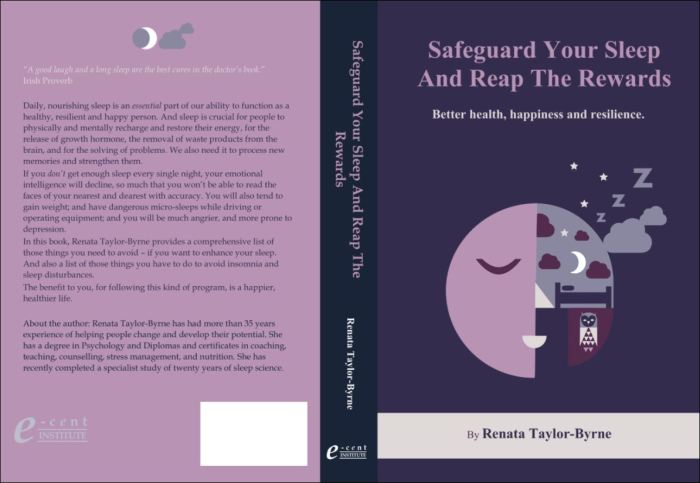
 Matthew Walker is an expert in sleep science and has strong opinions about the necessity for sufficient sleep before people set out driving. His reason is the insight that many people sometimes fall asleep for a couple of moments whilst driving, if they are sleep deprived. These are called ‘micro-sleeps’.
 If you know you have problems getting to sleep, or staying asleep; or getting the kind of sleep which restores you, so you awake feeling refreshed, then this book is for you.
 Renata Taylor-Byrne
 And the problems that I am most concerned with have to do with the fact that, while economic policy and environmental stresses and strains (as well as lifestyle factors) affect mental health, happiness and emotional well-being, most counsellors and psychotherapists are still ignoring those aspects of their client’s situation; and focussing on such narrow issues as: “What are you telling yourself?” and “How did your mother treat you?” – to the exclusion of diet, exercise, sleep, relaxation, housing conditions, economic circumstances, current relationships, personality adaptations, and a whole host of stressors coming from growing inequality and insecurity of employment.
 As early as 1948, Merleau-Ponty was drawing attention to the disastrous way in which the followers of Descartes (rather than Descartes himself) had misled us into dumping the body, and focusing exclusively on the mind (as if it was not a function of a body-brain, linked to an inescapable space-time environment).
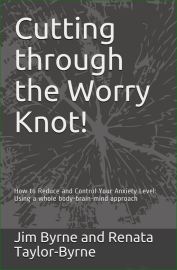 Many people live lives which are tied up in knots of worry, anxiety, fear, apprehension and dread. They can hardly remember what it was like to feel relaxed, happy and at ease. This book will teach you how to cut through these kinds of emotional knots, from various angles, one at a time, to produce a state of greatly improved relaxation and ease.
 You should have got just such an Instruction Book about your anxiety alarm, from your parents, when you were very young – and some people did. But if your alarm goes off at all times of day and night, in unhelpful ways, then I guess you were one of the unlucky ones who did not get your Instruction Book. This current book contains your Instruction Book, plus lots of other backup information, which will help to make you the master of your anxiety, instead of its quaking slave.
 That’s all for now.
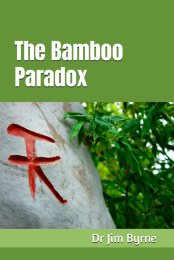 At the age of thirty-four years, I woke up. Woke up for the first time. Became conscious of the fact that I was living a life that did not really work for me – which had never really worked in a fully satisfactory way. At that point, I began to seek wisdom – to examine my life – and to explore better ways of living a fuller, more satisfying life.
 Like a bamboo, you can learn to bend in strong winds of change or challenge; and to sway in the frequent breezes of trial and tribulation. (But that will not be enough for you to optimize your surviving and thriving potential!) You can develop a solid foundation, but one which allows you to stay flexible, and to respond to the forces that assail you with a judo-like yielding and returning. (But, unlike the bamboo, the Judoka uses strength and well as flexibility; speed of mental processing – which has no bamboo equivalent; and skilful mind-body coordination!) Bend in harmony with the forces around you, without resisting rigidly, and thus avoid being broken. Go with the flow, when the flow is irresistible; but swim against the tide if you need to, when the tide is not too powerful. Eventually, the forces around you may grow tired, and you will be fresh and ready to move forward, when resistance is at its lowest. (But remember: Running away, or fighting back are important options for a human being. Also, a bamboo has no such thing as “personal boundaries”, but each human needs to have strong personal boundaries, and to defend them again those who would take advantage of them, abuse them, use them, or otherwise harm them!)
 In this blog I want to write about the ways in which counselling practice may evolve, in the hands of a counsellor who has learning as their top value in action, as I have. In the process I will reflect briefly on my journey through Rational Emotive Behaviour Therapy (REBT). I will also look at the kind of body-mind-environment approach to counselling that came out of my progression. And I will look at the impact of diet, exercise and sleep on emotional well-being and mental health.
 I began to study Rational therapy (REBT) in 1992, during a career crisis; kept up that study; and then set up in private practice as an REBT coach/counsellors, in November 1998. At that time I was convinced that REBT was a complete system of therapy, which lacked nothing, and had superseded all other systems of counselling and therapy. (How deluded we can be, even after studying for a Master’s degree!)
 But it was not any of this that caused me to begin to move dramatically away from REBT. No. It was the fact that I often had clients who seemed to be very depressed, or very anxious, but who could not come up with any real or symbolic losses, failures, threats or dangers, to account for their psychological symptoms. But they had one thing in common; a swollen belly; red eyes and white tongues; or a tendency to scratch at their crotches. They each had a problem of gut disbiosis, called Candidiasis, or systemic overgrowth of Candida Albicans in their large intestine. I recognized these symptoms, because I had wrestled with this condition myself, for a couple of decades by that time. So I helped them to address their problems with Candida, and their depression and/or anxiety cleared up. (Recent research suggests that Candida Albicans [and gluten; and stress] can cause a condition called ‘leaky gut’, which allows who molecules of food, or toxic wastes, to pass through the gut wall, and into the bloodstream. This also causes [or co-occurs with] ‘leaky brain’, whereby the blood-brain barrier becomes porous, allowing toxins into the brain, and affecting mood and emotions!)
 Eventually, all of my accumulated learning became combined with a disillusionment with REBT, especially after 2005-2007, when the Albert Ellis Institute melted into infighting between two factions, the larger of which (rationally/irrationally???) ousted Albert Ellis.
 The first book on this subject was titled
 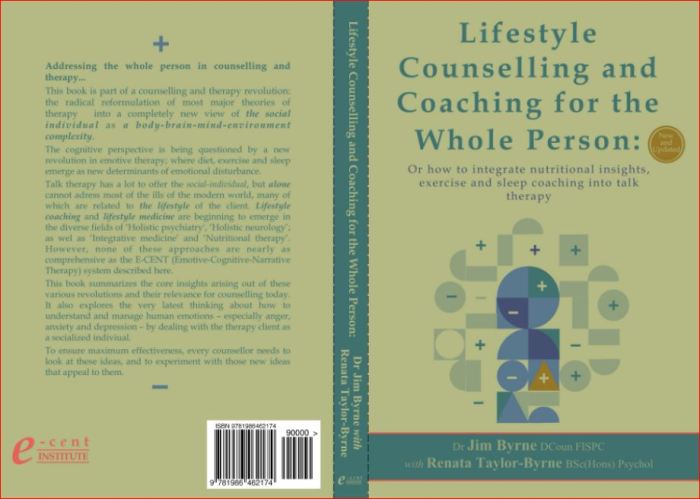 We already had a lot of material on diet and exercise; and so Renata began to research sleep science, books and papers. And we generated a preliminary book chapter on sleep in relation to emotional stability from that work.
 We also had a lot of material on the various historical approaches to understanding the human mind and emotions. So we began to collate the materials which might make a compatible range of book chapters. We included or approach to re-framing problems, derived from moderate Buddhism and moderate Stoicism; but excluding all extreme elements. We then compiled a chapter on the use of the E-CENT models for a counselling session, shaped by the Jungian standard structure. And then, in Chapter 9, we presented a set of guidelines on how to incorporate lifestyle and health coaching into any system of talk therapy. The resulting book was titled
  “People who are deprived of sleep have been shown, in laboratory experiments, to be unable to accurately assess the emotional messages on photographs of people’s faces, ranging from happy to angry. This is because sleep-deprivation reduces our emotional intelligence. This has implications for many people working in the emergency and security services, where highly skilled assessment of human behaviour is needed, and people can be working without sufficient sleep to meet the demands of the job.
 Renata’s book, which was published three weeks ago, is titled:
  In science as well as popular culture, the body and mind have long been pulled apart, and treated as separate entities. And when they are treated as being connected – as in the modern psychiatric theory of ‘brain chemistry imbalances’ causing negative moods and emotions, the ‘brain chemistry’ in question is taken to be unrelated to how you use your body; what you eat; how well you sleep. It is assumed to be ‘special brain chemistry’ – separate and apart from Lifestyle Factors – which can only be fixed by consuming dangerous drugs!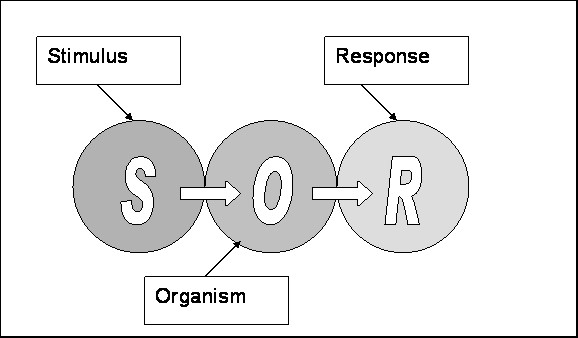

 I have often discussed with Renata (my wife and porfessional service partner) the barriers that people put in the way of doing their therapy – of cleaning up their childhood history – and of learning to relate in the present moment in a loving and enjoyable way. Here is one of the biggest barriers to entering counselling and therapy, as outlined by M. Scott Peck
 When a new client arrives with an emotionally disturbing problem, we do not try to talk the client out of their perceptions and feelings. We take it as read that their reactions are proportionate to the problem as they see it. We look at them and their problems with the eyes of emotional empathy and understanding. We engage in non-possessive caring, like many client-centred counsellors do. But we go further in affirming the client as an emotional being. We follow the guidance of Dr Robert Hobson in that we speak to our clients in a ‘feeling language’.
 “Ian Suttie … regarded psychotherapy as a quest for a ‘companionship’ with the client. He drew attention to the embarrassed ‘taboo on tenderness’ which scares us all, especially ‘scientific’ psychotherapists. There is no more effective barrier to treatment (in counselling and therapy). Tenderness is akin to that of the loving relationship between the child and mother which is formed ‘with the intention of severance’. The therapist needs to be a ‘mother’ (and a ‘father’), but s/he must move towards ‘friendship’, a more equal personal relationship”. (Page 212).
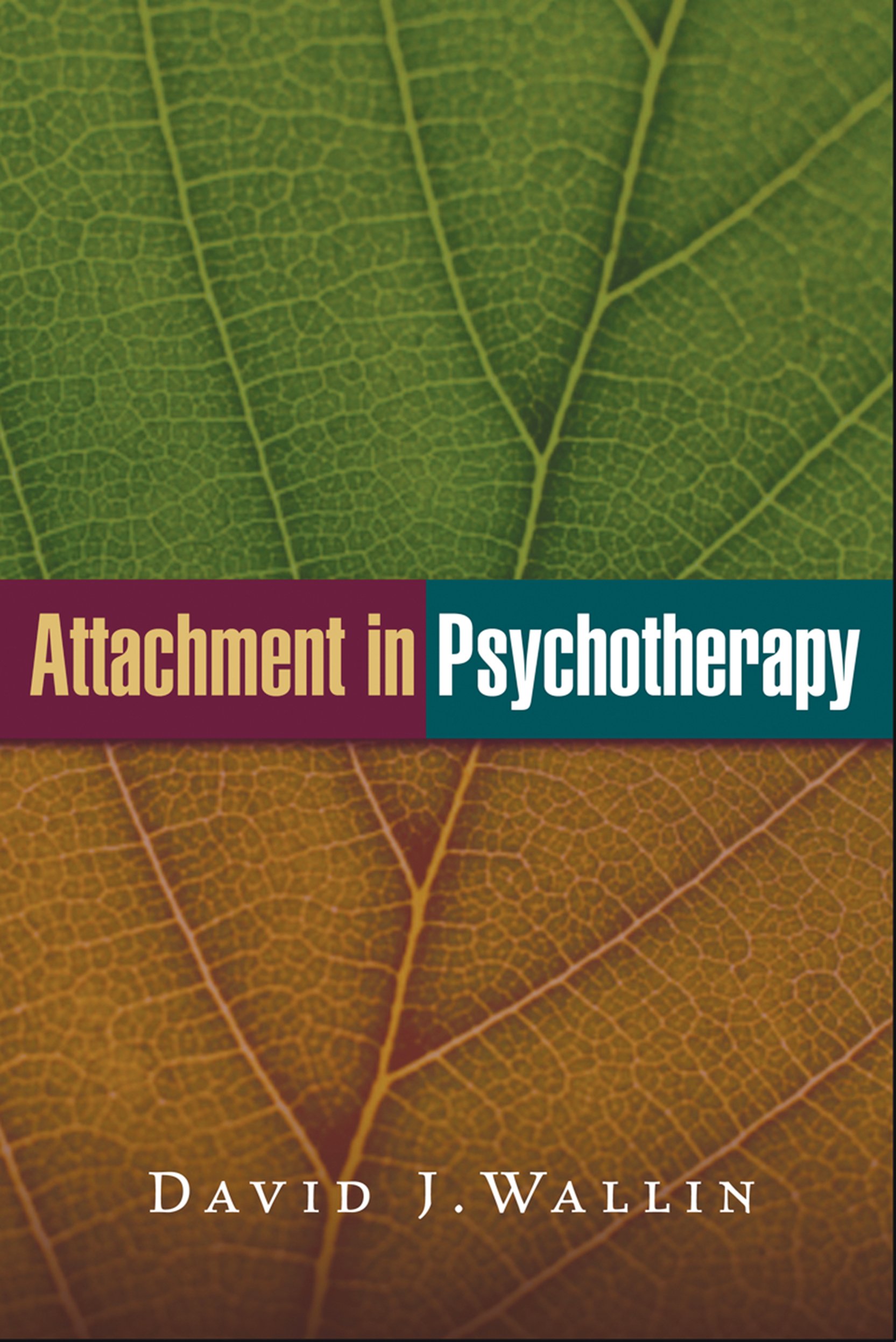 As pointed out by Dr David Wallin, if this does not happen in the client’s actual childhood, then they develop insecure attachment style; but their brain-mind remains malleable, and they can get this missing ‘secure base’ in counselling and therapy relationships, during their adult lives:
 “Problems in personal relationships cannot be solved by talking about them, by explaining them from outside. They can only be explored and tackled effectively in the experience of being within a relationship”. (Hobson, Page 183).
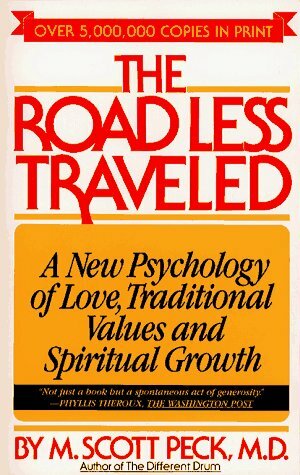 E-CENT counselling teaches that there are many helpful perspectives on life, some of which come from Buddhism and some from Stoic philosophy. One of those perspectives was popularized in the 1980s by M. Scott Peck. This is it: “Life is difficult. This is a great truth, one of the greatest truths. It is a great truth because once we truly see this truth, we transcend it. Once we truly know that life is difficult – once we truly understand and accept it – then life is no longer difficult. Because once it is accepted, the fact that life is difficult no longer matters”. (Scott Peck, 1990, page 13).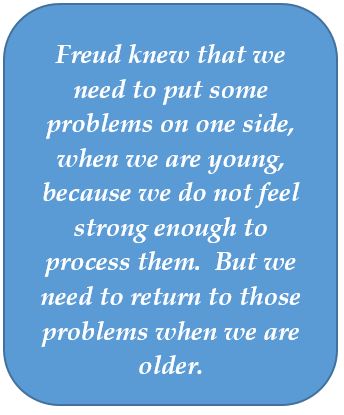
 I have wanted to write a blog for several days now, but I find it hard to free up the time. Therefore, in this blog, I am going to take some short-cuts by updating you regarding some of the things I’ve been writing about.
 In this appendix, I will outline the four main processes that we recommend in E-CENT counselling for anger management control. Briefly, these are: better management of (1) your diet, (2) physical exercise, (3) self-talk (or inner dialogue), and (4) relaxation/meditation. But you will also need to work on (5) your relationships and (6) your communication skills.
 Healthy anger is present-time defence of your legitimate rights in the face of inappropriate behaviour by another person. Healthy or reasonable anger is the fuel that drives our assertive behaviours. It pushes us to engage in constructive conflict, when that is necessary!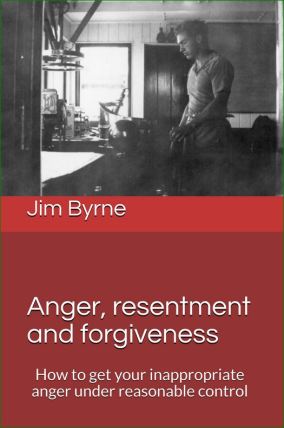
 Because counsellors and psychotherapists deal with their clients’ emotions – (as well as their behaviours, goals, relationships and environmental stressors) – every system of counselling and therapy has to have a theory of emotion. This, however, is problematical.
 So our thoughts (about our experiences) do not act alone; they are not the sole determinant of our lives.
 According to Julia Cameron, and Dr James Pennebaker, there are great cognitive and emotional gains to be made from spending a few minutes each morning writing out our stream of consciousness – our thoughts, feelings, reflections, plans for the day, worries and goals and so on.
 I recently resolved to make the Daily Pages a daily habit for the rest of my life, because of the obvious advantages. On 20th April I constructed a list of the Benefits of writing my Daily Pages – three pages of stream of consciousness – and the Costs of not writing those pages.
 It is really hard to learn new ideas, and to change old habits. We have to review them over and over and over again. This most likely results from what I call ‘frozen schemas’: packets of knowledge or information from the past which are resistant to change. The best illustration I can think of is the resistance of a racist’s schemas for race-related information. No amount of positive information about a minority ethnic person seems to dissolve the prejudices of a racist. A similar phenomenon is found with nationalism, tribalism, sexism, religious intolerance, homophobia, etc.So if we want to change and grow, we have to keep reviewing our habitual behaviours (which reveal [by implication or inference] our habitual thoughts-feelings-attitudes). Then we have to work very hard, and intelligently, to change those behaviours-thoughts-feelings-attitudes.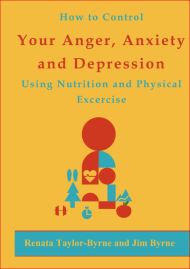
 When I decided to construct a list of the Benefits of writing my daily pages, every day, I was using the language and logic based functions of my left frontal lobe. When I sit down each morning, and review those lists of Benefits and Costs, I am operating from my wilful, intentional, left frontal lobe, and the upper region of my left OFC. And slowly, slowly, the upper region of my left OFC is influencing the lower, more emotional region of my left OFC.
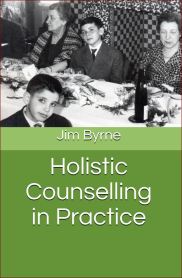 However, since I cannot see inside my own brain-mind, in order to corroborate any of these conclusions, I must also ask: Is there any other possible explanation for my strange (apparently self-sabotaging) behaviour this morning, after 12 days of success?
 The Institute for Emotive-Cognitive Embodied Narrative Therapy (E-CENT)